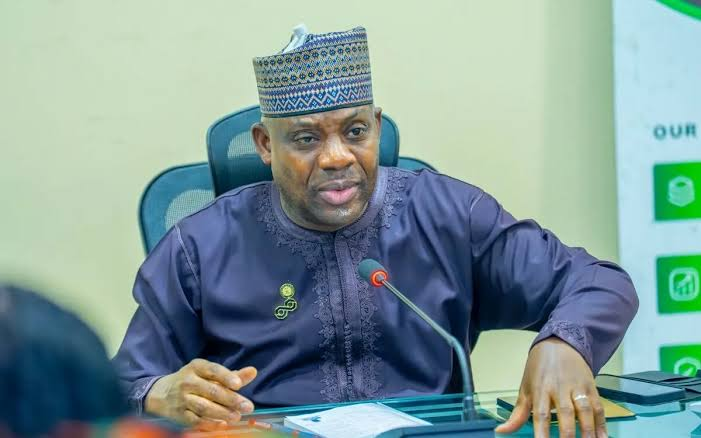
Nigeria’s federal government will scrap the policy separating junior from senior secondary schools, Education Minister Tunji Alausa announced in Abuja on Tuesday, disclosing that more than 20 million pupils have dropped out between primary school and junior secondary level.
The numbers behind the reversal are stark. Nigeria operates roughly 80,000 public primary schools but only about 15,000 junior secondary schools, a one-to-eight ratio that leaves millions of children with nowhere to transition. The result, Alausa said, is overflowing junior schools beside underused senior schools, each with its own principal and administration. He was blunt about the incentive structure, saying the arrangement created director-level positions for administrators while harming the education system, and declared the disarticulation policy had failed and would be phased out.
The policy dates to the 6-3-3-4 structure formulated in 1977 and introduced in 1982, which required junior and senior secondary schools to operate separately, physically and administratively. The proposal to abolish it goes to the next National Council on Education meeting, Nigeria’s highest education policymaking body, for approval.
The context Nigerian officials stated plainly, and international coverage will likely underplay: Alausa also disclosed that three out of every four Nigerian children cannot read and understand an age-appropriate text by age 10, and that the Nigeria Learning Passport digital platform has just 2.3 million users out of an estimated 67 million learners. Nigeria already holds one of the world’s largest populations of out-of-school children.
A government conceding that four decades of structure served administrators rather than pupils is rare and welcome. But merging school signboards does not build the 65,000 missing junior secondary schools. The ratio is the crisis; the policy was merely its accountant.
What to watch: Whether the National Council on Education approves the phase-out this year, and whether the 2027 budget carries the school-construction spending the one-to-eight ratio actually demands.