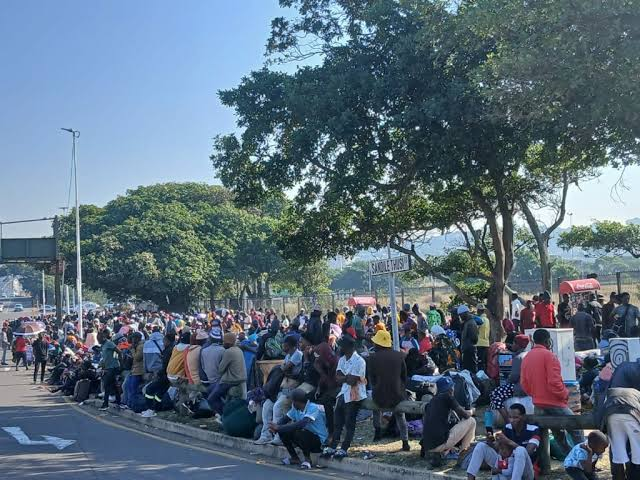
More than 13,000 foreign nationals, including about 9,000 Malawians, 3,000 Zimbabweans, 900 Ghanaians and 300 Nigerians, were repatriated or deported from South Africa in a single fortnight, the country’s Border Management Authority says, as vigilante-enforced ultimatums for undocumented migrants to leave by 30 June expired this week.
This is now a continental crisis, not a domestic one. Ghana has lodged a formal protest and a police complaint over the alleged killing of one of its citizens, a claim South African authorities dispute, and has written to the African Union demanding the attacks be placed on the summit agenda. Nigeria summoned South Africa’s acting High Commissioner, and Foreign Minister Bianca Odumegwu-Ojukwu announced voluntary repatriation flights. Mozambique says five of its citizens were killed in the Mossel Bay violence. In the Nigerian Senate, Adams Oshiomhole has called for retaliation against South African firms operating in Nigeria, naming MTN and DStv.
On the ground, the machinery of expulsion has been informal and menacing. CNN reported migrants receiving leave-or-die ultimatums tied to the 30 June date, mob killings under police investigation, and hundreds sheltering in churches and mosques near Durban. Protest groups such as March and March and Operation Dudula insist their campaigns are peaceful. Xenowatch, the University of the Witwatersrand monitoring project, counts more than 430 people killed in xenophobic attacks since 2008. President Ramaphosa has acknowledged the pressures of illegal immigration while warning against scapegoating migrants.
The angle mainstream coverage softens is the fact that this is Black African labour being expelled from an economy whose commanding heights, as Nigerian-South African businessman Tonye Irims told CNN, remain untouched by the mobs. The violence is racialised and classed, aimed at the poor. Pan-Africanism, as an institutional force, is failing its first serious stress test in years.
What to watch: The Au’s response to Ghana’s formal request, and whether Nigeria’s compensation demands for citizens who fled the unrest become policy or remain rhetoric.