The Consumer Price Index (CPI) report released by the National Bureau of Statistics (NBS) on Monday, 17th August reveals that Nigeria’s inflation rate has eased to 15.43 per cent in July 2026 from 15.91 per cent in June.
Nigeria’s inflation rate has eased, but food prices continue to increase. While the general rate of inflation seems to be easing, Nigerians’ cost of living continues to rise.
Overall inflation rate fell 0.48 percentage points while food inflation jumped to 20.31 per cent year-on-year from 17.52 per cent in June.
The food inflation rate rose to 5.56 per cent in a month-on-month comparison from 3.75 per cent in June.
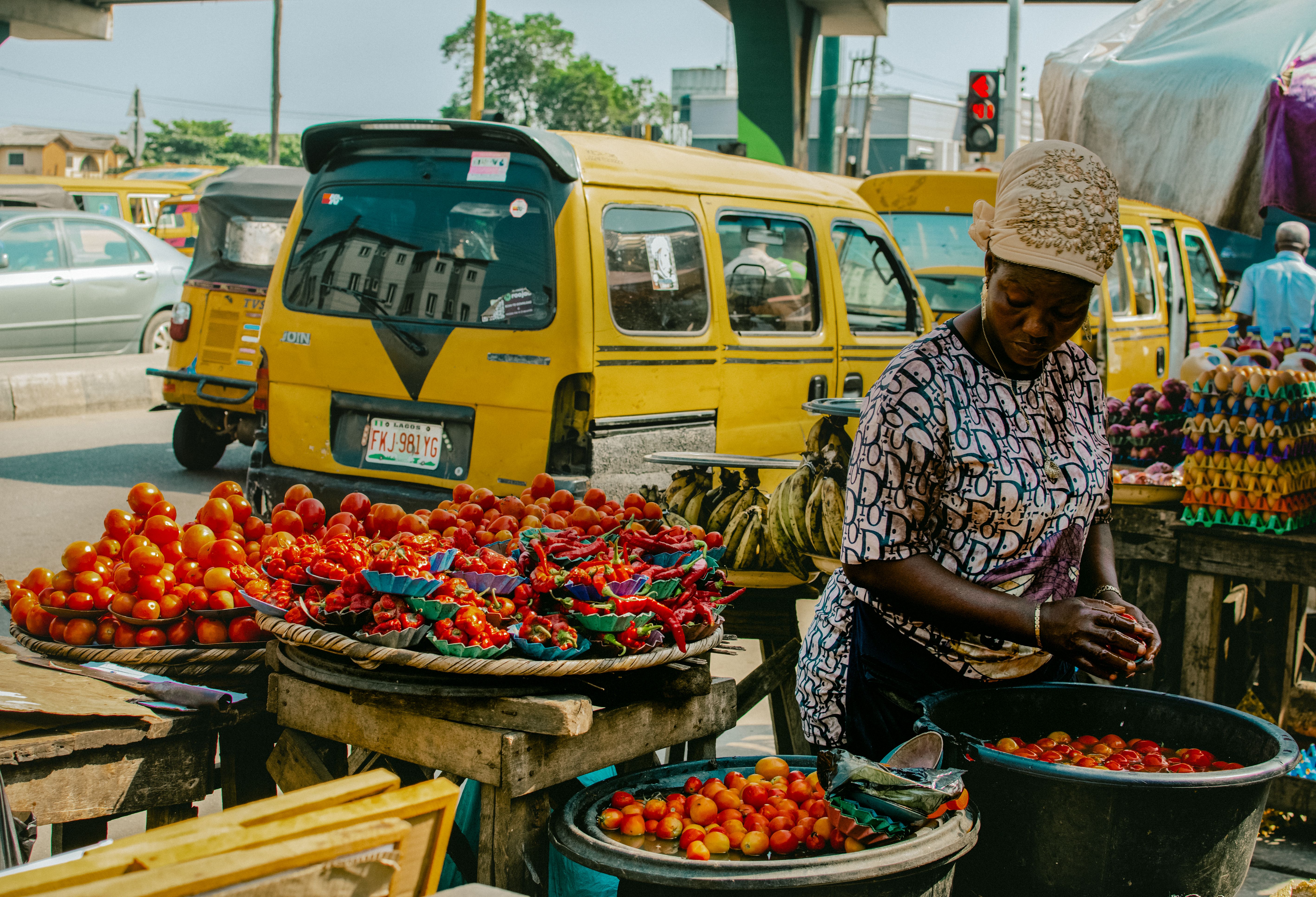
According to the NBS, the prices of some food items such as rice, tomatoes, onions, fresh pepper, garri, plantain, beef and eggs have all increased.
Food and non-alcoholic beverages continued to be the biggest component of the inflation rate in the country, at 6.18 percentage points of the headline figure. The contribution of restaurants was 1.99 percentage points and that of accommodation services was 1.64 percentage points.
There was also a variation in the pressure on food prices across various states in the country . The food inflation in Adamawa was the highest at 51.36 per cent, followed by Katsina at 30.84 per cent and Zamfara at 30.65 per cent, respectively.
Overall inflation was also on the downward trend, dropping to 1.57 per cent in July from 1.66 per cent in June. The 14.97 per cent core inflation (excluding certain volatile items) in the month was unchanged from the previous year’s figure. The July figures paint a mixed picture of Nigeria’s inflation situation with overall price increases easing but high food prices remain a challenge to household budgets.
Source: National Bureau of Statistics (NBS), Consumer Price Index and Inflation Report, July 2026