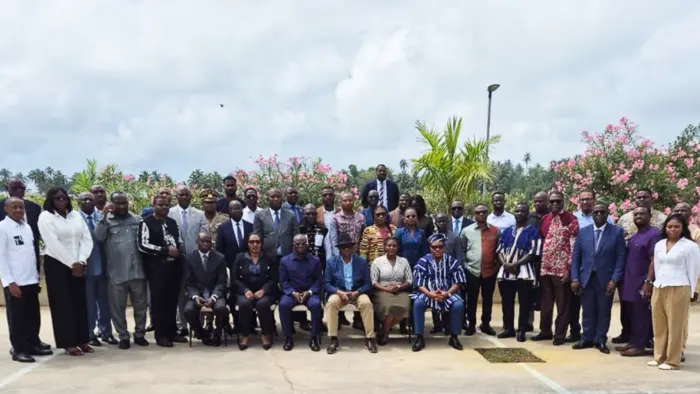
The Economic Community of West African States (ECOWAS) has expressed concern over the slow adoption and ratification of the African Union (AU) Protocol on Free Movement of Persons, warning that the delay could affect efforts to strengthen integration across the continent. The concern was raised at a meeting of permanent representatives of regional economic communities (RECs) to the African Union and the AU Partner Embassies Group in Addis Ababa, Ethiopia. The meeting brought together regional organisations and diplomatic representatives to strengthen cooperation and review issues relating to the African Union’s integration agenda.
According to a statement issued by ECOWAS on Monday, the bloc’s Permanent Representative to the AU highlighted progress made in West Africa, particularly in facilitating the free movement of people. However, ECOWAS pointed to what it described as low compliance and inadequate ratification of the continental free movement protocol, identifying these as major obstacles to wider African integration.
The African Union Protocol on Free Movement of Persons, Right of Residence and Right of Establishment is designed to provide a continent-wide framework that allows African citizens to move across national borders, reside in other member states and establish businesses there. Its implementation is expected to complement existing regional arrangements, including ECOWAS’s long-standing free movement framework, by extending mobility rights across Africa. The meeting also discussed institutional cooperation between the African Union and regional economic communities, as well as priorities under the AU’s current leadership.
During the discussions, the Burundian Presidency presented a mid-term review of its activities. The presentation highlighted progress on the African Water and Sanitation Policy, a framework for turning security and humanitarian early warnings into concrete action, and initiatives promoting women’s empowerment and youth inclusion. The partner embassies commended the discussions and reaffirmed their commitment to improving coordination between the African Union and regional economic communities in support of the objectives of Agenda 2063. ECOWAS’s concern comes amid broader efforts to remove barriers to movement, trade and economic opportunities across Africa.
Although existing regional arrangements have provided a foundation for cross-border mobility in parts of the continent, extending such cooperation across Africa requires stronger political commitment and the adoption and implementation of common legal frameworks. ECOWAS’s intervention highlights the need for closer cooperation between the African Union and regional blocs to translate the continent’s integration goals into practical benefits for its citizens.